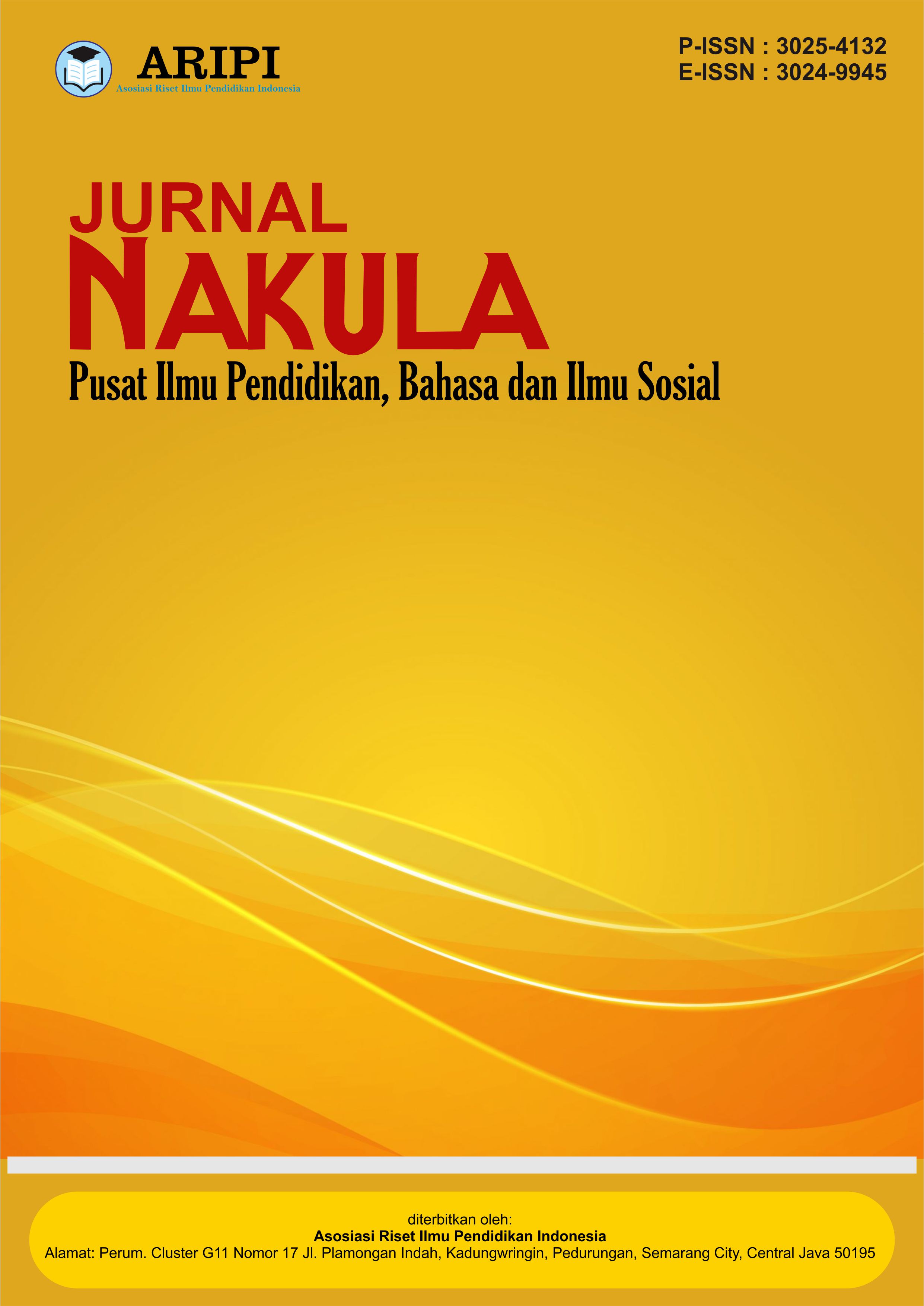
Inovasi Problem Based Learning Berbasis Diferensiasi dan Digital pada Modul Bahasa Indonesia SMP
DOI:
https://doi.org/10.61132/nakula.v4i1.2551Keywords:
Culturally Responsive Teaching, Differentiated Learning, Digital Technology, Merdeka Curriculum, PBLAbstract
This study aims to describe the innovation of implementing Pembelajaran Berbasis Masalah integrated with differentiated instruction and digital technology in Indonesian language learning modules at the junior high school level. The research employed a qualitative descriptive approach. The research subjects were students of the Teacher Professional Education Program (PPG) in Indonesian Language and Literature who developed and implemented PBL-based Indonesian language learning modules. Data were collected through document analysis of the learning modules and semi-structured interviews with the PPG students as the module developers and implementers. The data were analyzed using content analysis techniques, including data reduction, data display, and conclusion drawing. The findings indicate that the implementation of PBL in Indonesian language modules fosters more contextual, meaningful, and student-centered learning. The integration of differentiated learning, Mengajar di Tingkat yang Tepat (TaRL), and Pengajaran Responsif Budaya (CRT) enables teachers to accommodate students’ diverse abilities and backgrounds. The use of digital media and social media platforms in assignments and presentations enhances students’ motivation, participation, and communication skills. Moreover, authentic assessment and reflective activities contribute to the development of students’ critical thinking, collaboration, and independence in line with the Pancasila Student Profile. Therefore, this PBL-based module can serve as a best practice model for innovative learning aligned with the Merdeka Curriculum and the demands of 21st-century education.
Downloads
References
Aldo, N., Revita, R., & Nurdin, E. (2021). Pengembangan modul berbasis problem based learning pada materi statistika SMP kelas VIII. JRPM (Jurnal Review Pembelajaran Matematika), 6(2), 115-129. https://doi.org/10.15642/jrpm.2021.6.2.115-129
Hmelo-Silver, C. E. (2004). Problem-based learning: What and how do students learn? Educational Psychology Review, 16(3), 235–266. https://doi.org/10.1007/s10648-004-0006-9
Kemendikbudristek. (2022). Panduan pengembangan kurikulum merdeka. Kemdikbudristek.
Khakim, N., Santi, N. M., Assalami, A. B. U., Putri, E., & Fauzi, A. (2022). Penerapan model pembelajaran problem based learning dalam meningkatkan motivasi belajar PPKn di SMP YAKPI 1 DKI Jaya. Citizenship Virtues, 2(2), 347–358. https://doi.org/10.37640/jcv.v2i2.1506
Kondo, M., & Surahman, H. (2022). Pengembangan modul berbasis kearifan lokal materi menulis puisi dengan pendekatan problem based learning pada kelas 7 SMP Negeri 4 Kodi. In Prosiding Seminar Nasional IKIP Budi Utomo, 2(1), pp. 529–538. https://doi.org/10.33503/prosiding.v2i01.1664
Muhartini, M., Mansur, A., & Bakar, A. (2023). Pembelajaran kontekstual dan pembelajaran problem based learning. Lencana: Jurnal Inovasi Ilmu Pendidikan, 1(1), 66–77.
Muzaqi, F. A., & Roekhan, R. (2024). Implementasi model pembelajaran problem based learning pada materi teks deskripsi di kelas VII. Journal of Language Literature and Arts, 4(9), 942-949. https://doi.org/10.17977/um064v4i92024p942-949
Narsa, I. K. (2021). Meningkatkan hasil belajar bahasa Indonesia pada materi menulis teks cerita fantasi melalui penerapan model pembelajaran problem based learning. Journal of Education Action Research, 5(2), 165-170. https://doi.org/10.23887/jear.v5i2.33269
Purwati, S. W. (2022). Metode pembelajaran problem based learning dalam meningkatkan keterampilan abad ke-21 siswa SMPN 1 Kedungpring Lamongan. ASANKA: Journal of Social Science and Education, 3(2), 155-176. https://doi.org/10.21154/asanka.v3i2.4946
Rahmawati, D., & Suryadi, A. (2022). Inovasi pembelajaran Bahasa Indonesia berbasis teknologi digital. Jurnal Pendidikan Bahasa dan Sastra, 22(1), 45–56.
Rusman. (2017). Belajar dan pembelajaran berbasis komputer. Alfabeta.
Safitri, R., Sukamto, S., Subekti, E. E., & Nafiah, U. (2023). Analisis penerapan model problem based learning pada pembelajaran IPAS kelas IV di SD Supriyadi Semarang. Innovative: Journal Of Social Science Research, 3(2), 297-308.
Sarie, F. N. (2022). Implementasi pembelajaran berdiferensiasi dengan model problem based learning pada siswa sekolah dasar kelas VI. Tunas Nusantara, 4(2), 492-498. https://doi.org/10.34001/jtn.v4i2.3782
Suhaini. (2023). Optimalisasi model pembelajaran problem based learning sebagai upaya peningkatan materi menulis teks prosedur pada siswa kelas VII SMP Negeri 1 Muara Lakitan. Linggau Journal Science Education, 3(2), 139–150. https://doi.org/10.55526/ljse.v3i2.570
Tomlinson, C. A. (2014). The differentiated classroom. ASCD.
Widodo, A., & Ningsih, T. (2021). Pembelajaran berdiferensiasi sebagai inovasi pendidikan. Jurnal Inovasi Pendidikan, 5(2), 89–98.
Downloads
Published
How to Cite
Issue
Section
License
Copyright (c) 2026 Jurnal Nakula : Pusat Ilmu Pendidikan, Bahasa dan Ilmu Sosial

This work is licensed under a Creative Commons Attribution-ShareAlike 4.0 International License.