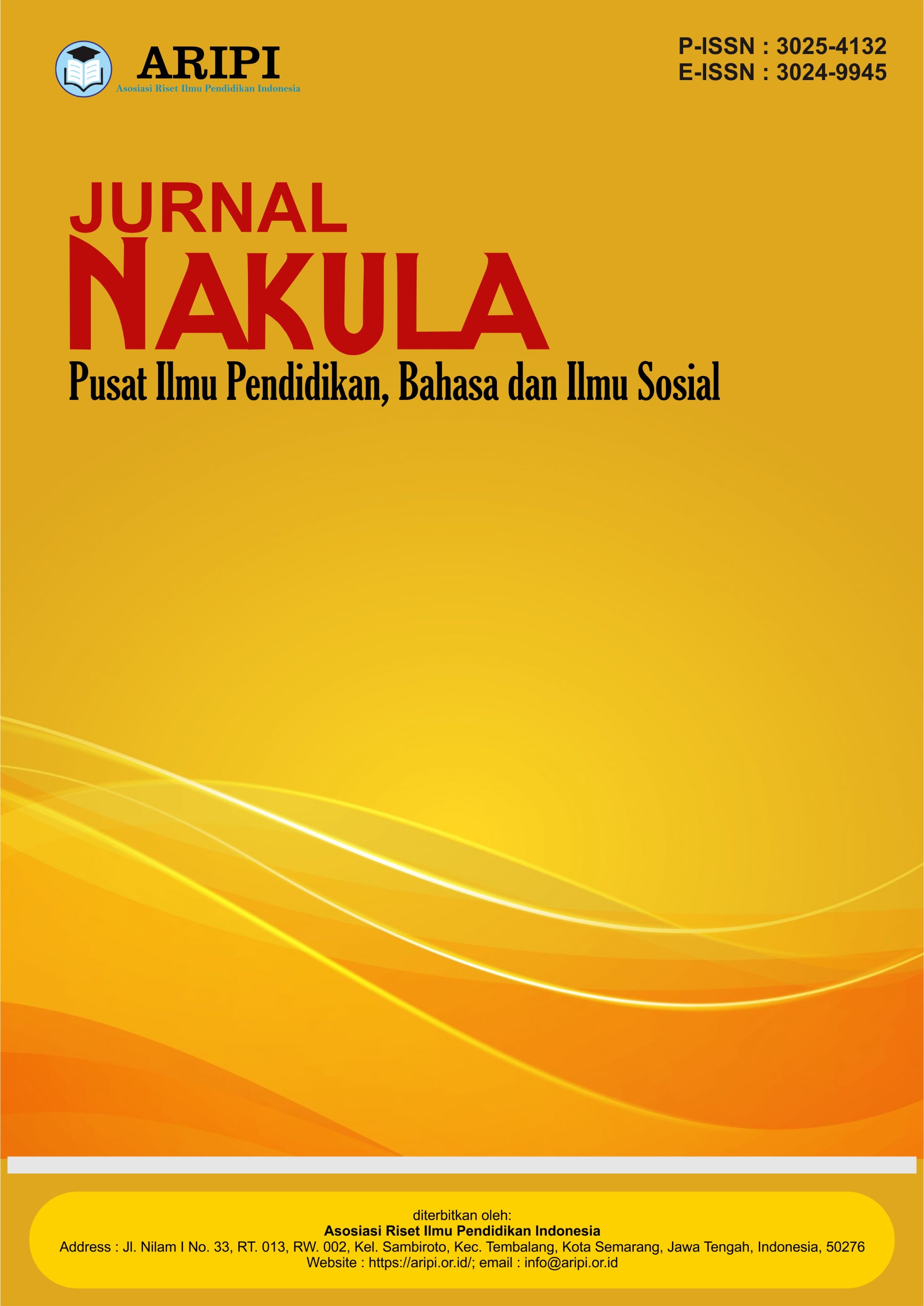
Pemahaman Warga Sapta Darma terhadap Ajaran yang Dianut di Daerah Istimewa Yogyakarta
DOI:
https://doi.org/10.61132/nakula.v4i6.3134Keywords:
Adherents, Learning Process, Sapta Darma, Teachings, UnderstandingAbstract
This study aims to analyze the learning process, the level of understanding regarding core teachings (Sujud, Wewarah Tujuh, and Sesanti), and the influencing factors among adherents of the Sapta Darma faith in the Special Region of Yogyakarta. Employing a qualitative approach with a case study method, data collection involved in-depth interviews with eight informants, participant observation at the Sanggar Candi Sapta Rengga, and document analysis. The results indicate that the transmission of spiritual values occurs in a tiered and systematic manner through primary socialization within the family, communal guidance at the sanggar, and independent study. Adherents' understanding has reached the stage of extrapolation, wherein the essence of the teachings is not merely memorized but rationally internalized and manifested in social behavior to realize the philosophy of Memayu Hayu Bagya Bawana. This comprehensive understanding serves as a robust spiritual defense mechanism against negative stereotypes within a pluralistic society. Such spiritual depth is significantly influenced by family homogeneity, formal education levels that sharpen rational analytical skills, and the crucial role of guidance from Tuntunan figures, whereas socioeconomic stratification proved not to be a limiting factor.
Downloads
References
Ancok & Suroso. (2008). Psikologi Islami: Solusi Islam atas problem-problem psikologi.
Arroisi. (2021). Pendidikan karakter dan transmisi nilai dalam perspektif kearifan lokal Nusantara. 8(1), 45–60.
Daniel, Y. (2025). Ritual dan identitas kepercayaan Sapta Darma di Indonesia.
Dzaky, H. (2023). Konsep ketuhanan dalam Ajaran Sapta Darma.
Firosa Ahda, M. N., & Agung, Y. R. (2022). Praktik Meditasi pada Penghayat Kepercayaan Sapta Darma: Konsep Sujud untuk Mencapai Kesadaran Penuh. Societas Dei: Jurnal Agama dan Masyarakat, 9(2). https://doi.org/10.33550/sd.v9i2.328
Hannan, A. (2022). Penganut Agama Kepercayaan dan Problem Kebebasan Berkeyakinan di Indonesia: Perspektif Sosiologi Agama.
Koentjaraningrat. (2009). Pengantar Ilmu Antropologi. Rineka Cipta.
Lubis, D. (2019). Aliran kepercayaan/kebatinan.
Nurhayati. (2018). Strategi pembelajaran untuk meningkatkan pemahaman membaca siswa. 3(2), 40–50.
Rahmawati, F. L. R. (2021). Refleksi pemikiran Husein Muhammad tentang kesetaraan hak: Studi kasus Sapta Dharma di Jawa.
Saputra, A. A., & Mustika, E. (2023). Kajian Kepercayaan Sapta Darma Serta Pandangan Masyarakat Dalam Perspektif Sosial dan Budaya di Kecamatan Mojosari. 4(1), 1–22.
Saraswati, A., & Dewanti, A. S. (2023). Stereotip terhadap Aliran Penghayat Sapta Dharma dan Usaha Penganut Sapta Dharma mengatasinya melalui Konsep Diri. 1(1), 58–64.
Sari & Nugroho. (2021). Pengaruh faktor sosial budaya dan pendidikan terhadap pemahaman ajaran kepercayaan lokal di Indonesia. 12(3), 234–250.
Sari, R. (2020). Ajaran Sesanti dan Praktik Kerohanian Kerohanian Sapta Darma. Jurnal Filsafat dan Agama. 12(2), 101–115.
Sudjana, N. (1995). Penilaian hasil proses belajar mengajar.
Sugiyono. (2019). Metode Penelitian Kualitatif, Kuantitatif, dan R&D. Alfabeta.
Sugiyono. (2020). Metode Penelitian Kualitatif, Kuantitatif, dan R&D (Edisi 2). Alfabeta.
Sulfiyah, F., & Ismail, Z. (2024). The Existence of Civil Rights for Sapta Darma Adherents in Gresik: An Analysis Prior to the Constitutional Court Decision No. 97/PUU-XIV/2016. 3(2), 187–212.
Suryani, N. (2017). Pendidikan dan pembinaan spiritual dalam komunitas lokal. 23(2), 145–160.
Weber, M. (2019). Sosiologi Agama (Y. Santoso, Penerj.). IRCiSoD.
Winker & Mukhtar. (2012). Pemahaman Konsep dan Makna.
Downloads
Published
How to Cite
Issue
Section
License
Copyright (c) 2026 Jurnal Nakula : Pusat Ilmu Pendidikan, Bahasa dan Ilmu Sosial

This work is licensed under a Creative Commons Attribution-ShareAlike 4.0 International License.